
Rotator cuff injuries
Tears and injuries to the group of muscles and tendons surrounding the shoulder joint.
Learn about different shoulder conditions, their symptoms and treatment options.
Tears and injuries to the group of muscles and tendons surrounding the shoulder joint.

Condition where the shoulder joint is loose and may slide around too much in the socket.
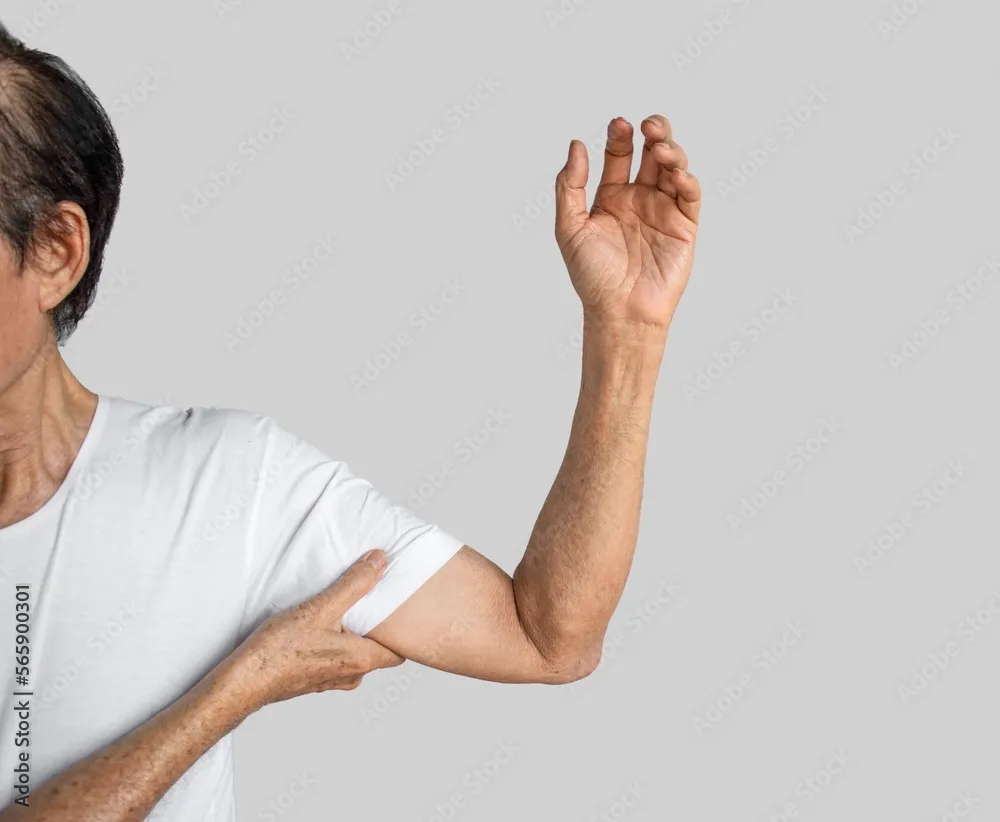
Condition characterized by stiffness and pain in the shoulder joint with restricted motion.
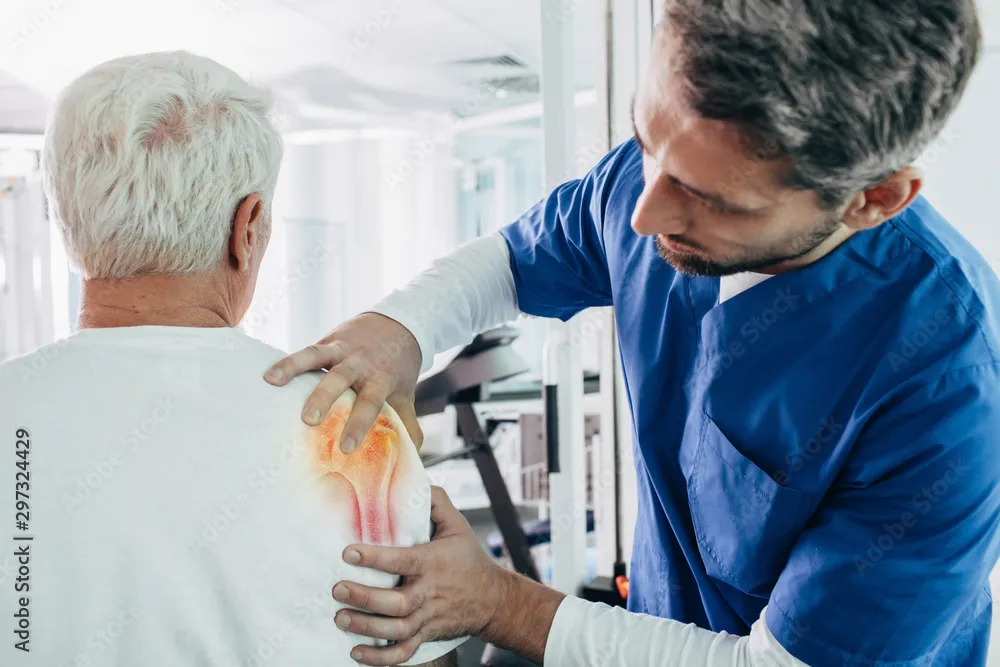
Degenerative condition affecting the cartilage of the shoulder joint causing pain and stiffness.
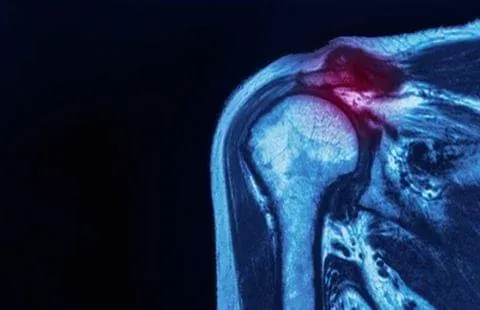
Injuries to the cartilage that surrounds the shoulder socket, often affecting stability.

Inflammation of the tendon connecting the biceps muscle to the shoulder.
 PDF
Practical summary of the shoulder in primary care: examination, key tests, instability and imaging.
View PDFThe rotator cuff is a group of muscles and tendons that surround the shoulder joint, keeping the head of the humerus firmly positioned in the glenoid cavity. Rotator cuff injuries can cause a dull ache in the shoulder, which often worsens when using the arm away from the body. Rotator cuff injuries are common and increase with age. They may occur earlier in people whose professions require repetitive overhead movements.
Shoulder instability occurs when the head of the upper arm bone is forced out of the shoulder socket. This can happen as a result of a sudden injury or from overuse. Once a shoulder has dislocated, it is vulnerable to repeat episodes. When the shoulder is loose and slips out of place repeatedly, it is called chronic shoulder instability.
Frozen shoulder, also called adhesive capsulitis, is a condition characterized by stiffness and pain in your shoulder joint. Signs and symptoms typically begin gradually, worsen over time and then resolve, usually within one to three years. Your risk of developing frozen shoulder increases if you are recovering from a medical condition or procedure that prevents you from moving your arm.
Arthritis is inflammation of one or more of your joints. The most common types of arthritis in the shoulder are osteoarthritis, post-traumatic arthritis, and rheumatoid arthritis. Osteoarthritis is a degenerative condition that destroys the smooth outer covering (articular cartilage) of bone. As the cartilage wears away, it becomes frayed and rough, and the protective space between the bones decreases. During movement, the bones of the joint rub against each other, causing friction, pain, and limiting range of motion.
The labrum is a piece of fibrocartilage (rubbery tissue) attached to the rim of the shoulder socket that helps keep the ball of the joint in place. When this tissue is torn, it is called a labral tear. A specific type of labral tear is called a SLAP lesion. SLAP stands for Superior Labrum Anterior and Posterior. In this injury, the top (superior) part of the labrum is injured. This top area is also where the biceps tendon attaches to the labrum.
Biceps tendonitis is an inflammation of the tendon that connects the biceps muscle to the shoulder or forearm. The biceps muscle is in the front of your upper arm. It helps you bend your elbow and rotate your arm. It also helps stabilize the shoulder joint. Biceps tendonitis often develops gradually due to overuse or age-related wear and tear.